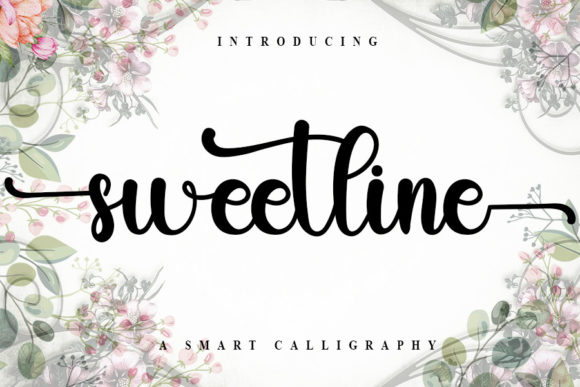
Sweetline: A Classy Script Font
There’s something about the way Sweetline flows across a page that feels like a warm hug. I was working on a set of candle labels the other day, and as I typed out the scent names in Sweetline, I could almost smell the lavender and vanilla just from the font’s elegance. It’s not just a typeface—it’s a statement. Whether I’m designing greeting cards or crafting seasonal signs, Sweetline brings a refined touch that elevates every project.
What Makes Sweetline Unique
Sweetline is a script font with a modern twist. Its curves are smooth, its strokes are delicate, and it carries a timeless charm that feels both classic and contemporary. It’s perfect for anything that needs a little extra flair—whether it’s a wedding invitation, a printable planner page, or a boutique product tag. The font has a soft, handcrafted feel that makes it ideal for handmade businesses looking to add a personal touch to their branding.
I love how Sweetline can transform a simple phrase into something special. On a farmhouse sign, it adds a rustic elegance. On a birthday card, it gives the message a heartfelt, handwritten quality. It’s versatile enough to work with both bold and subtle designs, making it a go-to choice for creative projects.
Using Sweetline in Handmade Projects
One of my favorite uses for Sweetline is on custom labels. I recently created a batch of mason jar labels for a client who sells homemade jams. Using Sweetline for the ingredient lists and flavor names made the labels look more polished and professional. The font’s legibility also worked well when I printed them on small stickers—each one looked like it was hand-lettered, even though it was done digitally.
For a recent batch of printable wall art, I paired Sweetline with a clean sans serif font. The contrast between the two gave the design a balanced, modern look. It worked especially well for quotes and motivational phrases, where the script font added a touch of sophistication without overwhelming the text.
When I’m designing invitations, Sweetline is always at the top of my list. It adds a sense of occasion and style that’s hard to match. I’ve used it for wedding welcome boards, baby shower announcements, and even holiday cards. The font’s swashes and ligatures give each design a unique, personalized feel.
Practical Tips for Using Sweetline
If you’re using Sweetline for product labels, packaging, or digital printables, keep in mind that the font works best with short phrases. Names, titles, and decorative wording shine with this script. However, it’s not ideal for long paragraphs of text, as the intricate details can make it harder to read at smaller sizes.
When cutting with Cricut or Silhouette machines, I recommend testing the font on a sample before mass-producing. Some script fonts can be tricky to cut if the lines are too thin or the letters are too close together. Sweetline generally cuts well, but it’s always good to double-check your design before printing or cutting.
For digital downloads, I often pair Sweetline with a simple serif or sans serif font to create a clean, readable layout. This helps maintain visual balance while still letting the script font stand out. It also makes the design more accessible for users who might need a more straightforward font for certain applications.
Font Pairing and Design Ideas
Pairing Sweetline with another script font can create a layered, elegant effect. I’ve used it alongside a more casual handwritten font for some of my printable planners, which gave the pages a cohesive yet dynamic look. For a bolder approach, I sometimes pair it with a thick display font to create eye-catching headlines or social media graphics.
When working on packaging design, I often use Sweetline for the product name or tagline. It adds a premium feel that complements the overall aesthetic of the brand. For seasonal items like holiday tags or gift boxes, the font’s warmth and grace make it a natural fit.
One of the things I appreciate most about Sweetline is its versatility. It works well in both digital and physical formats, whether I’m creating a social media post, a listing image, or a printed sticker. Its ability to adapt to different mediums makes it a valuable addition to any designer’s toolkit.
Getting the Most Out of Sweetline
Before using Sweetline for commercial purposes, I always check the licensing terms. It’s important to make sure the font is properly licensed for the intended use, whether it’s for physical products, printables, or digital downloads. Sweetline comes with a range of styles, alternates, and ligatures that allow for creative customization, so exploring those options can help you get the most out of the font.
For those who work with multilingual content, I recommend checking if Sweetline supports the languages you need. While it’s primarily designed for English, some versions may include extended character sets. If you’re planning to use it for international audiences, this is an important detail to consider.
Overall, Sweetline is a beautiful and functional font that adds a touch of class to any project. Whether you’re a crafter, a small business owner, or a designer, it’s a great tool for elevating your creative work and making your products stand out.