Bluestry: A Versatile Script Font for Creative Projects
There I was, staring at a blank brand board, trying to find the right tone for a new boutique identity. The client wanted something modern but with a touch of warmth—something that felt personal yet professional. I reached for Bluestry, a script font from the Script Amp collection, and instantly knew it could be the centerpiece of the design.
A Font That Speaks in Style
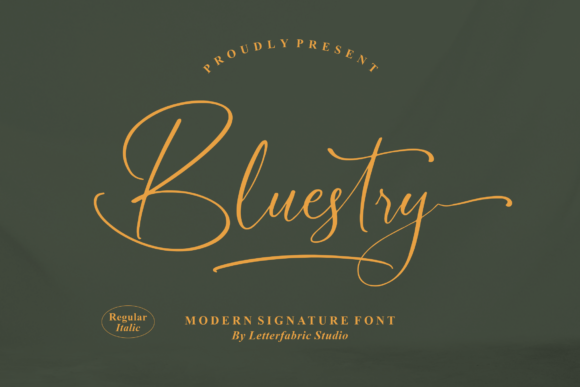
Bluestry has a distinct personality. It’s elegant but not overly formal, with fluid curves and subtle flourishes that give it a handcrafted feel. The strokes are balanced, making it both readable and visually engaging. It’s not the kind of font that screams attention—it quietly commands it, which is perfect for branding that needs to feel authentic and approachable.
When I tested it on a logo concept, it worked surprisingly well. The letterforms have enough variation to avoid looking generic, yet they maintain a cohesive structure that keeps the design from feeling chaotic. It’s ideal for logos where you want a bit of character without sacrificing clarity.
Testing Bluestry in Real-World Branding
I used Bluestry on a packaging mockup for a small skincare line. The font looked great on product labels, adding a sense of care and craftsmanship. It paired well with a clean sans serif for the product descriptions, creating a nice contrast that didn’t clash. On a business card, it stood out as the headline text, while the body copy in a more neutral typeface kept the design from feeling too busy.
On a website header, Bluestry added a visual anchor that drew the eye without overwhelming the rest of the layout. It worked especially well in hero sections where a bold, memorable typeface is needed. For social media graphics, it brought a handmade quality that resonated with the target audience, making the content feel more relatable.
Strengths and Limitations
One of Bluestry’s greatest strengths is its versatility. It can function as a display font, a logo font, or even an accent in a more complex typographic hierarchy. Its soft, flowing lines make it a good fit for brands that want to communicate creativity, artistry, or a personal touch.
However, it’s not the best choice for long blocks of text. At smaller sizes or in dense paragraphs, the details can get lost, making it less readable. It also doesn’t work as well in formal corporate settings where a more structured typeface might be preferred. If you're designing for a high-end fashion brand or a law firm, you might want to look elsewhere.
That said, when used appropriately, Bluestry can elevate a design in ways that other fonts can't. It brings a sense of individuality and emotion that's hard to replicate with more rigid typefaces.
Pairing Bluestry with Other Fonts
Font pairing is key when working with a script like Bluestry. I found that it pairs well with a clean, modern sans serif. The contrast between the organic curves of Bluestry and the geometric precision of the sans serif creates a balanced and professional look. For a more traditional feel, pairing it with a serif font can add depth and sophistication.
It also works well with other script fonts, especially if you’re going for a more eclectic or vintage aesthetic. But be careful not to overdo it—using multiple script fonts in the same design can quickly become distracting.
Practical Tips for Using Bluestry
If you're considering using Bluestry in your next project, test it thoroughly. Try it in different sizes, weights, and contexts. See how it looks on print versus digital screens. Pay attention to how it interacts with other elements in your design, like colors, images, and spacing.
Also, check the licensing before using it in client work. Make sure you understand what you can and cannot do with the font, especially if you're planning to use it in commercial products, websites, or print materials.
For those who love handcrafted typography, Bluestry offers a unique voice that can help define a brand’s identity. Whether you're designing a logo, a packaging system, or a social media campaign, it’s a font worth exploring.
As a designer, I’ve found that the best fonts aren’t just about aesthetics—they’re about how they fit into the bigger picture of a brand’s story. Bluestry does that well, offering a blend of style and functionality that makes it a valuable addition to any designer’s toolkit.